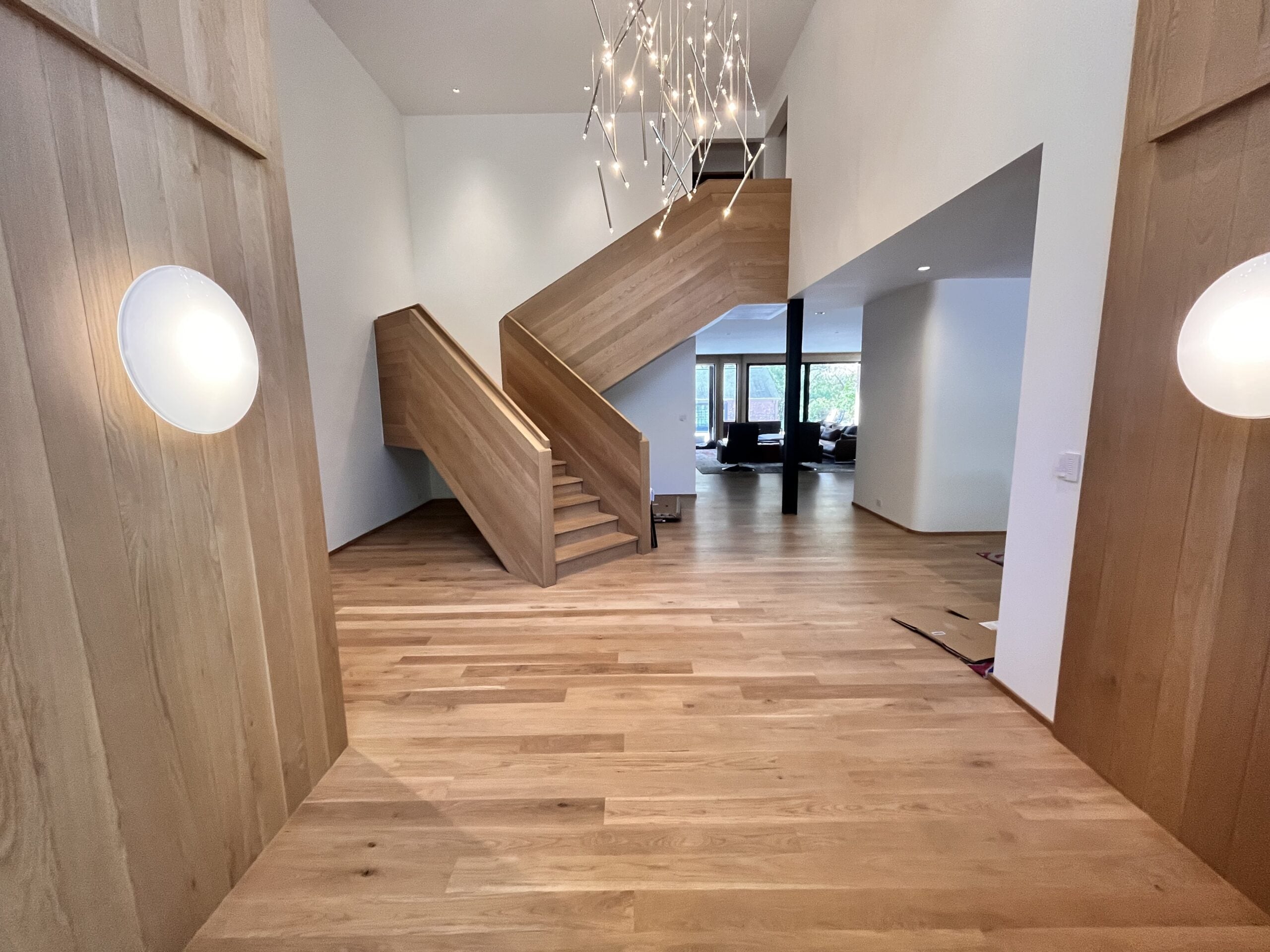
Choosing the best wood species for hardwood floors comes down to matching a wood’s natural hardness, grain pattern, and tone to your home’s style and daily wear and tear. Options like oak, maple, hickory, cherry, walnut, and ash each offer a different look and level of durability, and the right choice depends on your space, your household, and the aesthetic you’re going for.
Why Wood Species Matters
Not all hardwood looks or performs the same way. Each species has its own grain pattern, hardness level, and natural color, which affects everything from how a room feels to how well the floor holds up over time. Choosing the right species upfront helps ensure your floors fit your home’s style and hold up to how the space actually gets used.
Oak Flooring
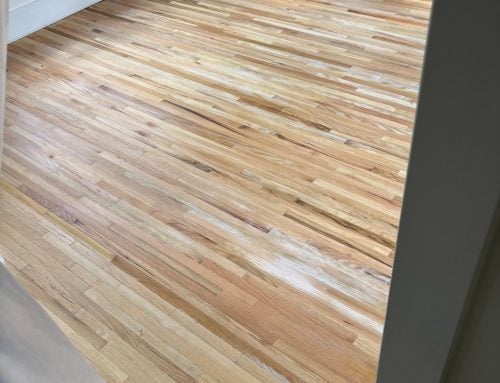
Oak is a classic choice known for its durability and distinct grain pattern. It’s available in both red and white varieties, giving homeowners flexibility in tone while keeping the same dependable strength that’s made oak a long-standing favorite.
Maple Flooring
Maple offers a hard, smooth surface with a light color and subtle grain. It creates a clean, contemporary look that works especially well in homes leaning toward a more modern aesthetic.
Hickory Flooring
Hickory is one of the most durable options available, with dramatic grain variation that gives it a rustic, characterful look. It’s a strong fit for homes and spaces that see heavier daily use.
Cherry Flooring
Cherry brings rich, warm tones that deepen and develop more character over time. It’s a good option for homeowners who want their floors to age gracefully and gain depth as the years go on.
Walnut and Ash Options
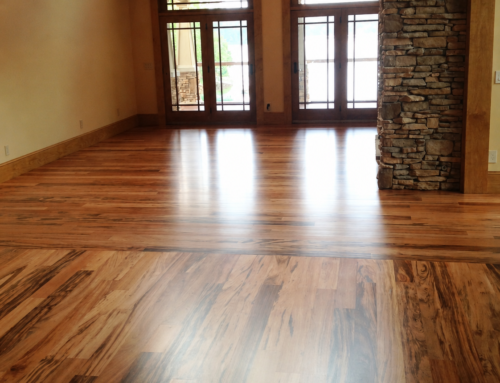
Walnut offers a dark, sophisticated look with straight grain patterns, ideal for a more luxurious feel. Ash, on the other hand, is light colored with pronounced grain similar to oak, offering another option for homeowners drawn to lighter tones. Beyond these, exotic species like Brazilian cherry, teak, bamboo, and acacia are also available for homeowners looking for something more distinctive.
How to Choose Based on Your Home and Lifestyle
With so many species available, it helps to think through a few practical questions before deciding. Consider how much daily foot traffic the room sees, whether you prefer lighter or darker tones, and how the wood’s grain pattern fits with your home’s existing style. A harder species like hickory may make more sense for a busy family room, while a species like cherry might be better suited to a lower-traffic, more formal space. If you’re also weighing solid versus engineered hardwood for your home, species selection plays a role in that decision too, since both options come in a range of the same wood types.
Talk to a Professional Before Deciding
Photos and samples only tell part of the story. Seeing a species in person, under your home’s actual lighting, is the best way to know how it will really look once it’s installed. A professional can also walk you through which finishes and textures pair well with your chosen species and how factors like hardwood floor installation methods might affect which woods are the best fit for your subfloor.
With over 25 years working with homeowners across Greater Nashville, Brentwood, and Franklin, we’ve helped guide countless species decisions, and the right one always comes down to how a home is actually lived in, not just what looks good in a photo.
Frequently Asked Questions
1. What is the most durable wood species for hardwood flooring?
Hickory is one of the most durable options available, known for its strength and dramatic grain variation, making it well suited for high-traffic areas.
2. Which wood species works best for a modern home?
Maple’s light color and subtle grain give it a clean, contemporary look that tends to suit modern home styles well.
3. Can I see wood species samples before choosing one?
Yes. Viewing samples in person, under your home’s actual lighting, is the best way to see how a species will really look once installed.
Ready to explore wood species options for your home? Contact C&S Flooring for a free consultation and in-home samples.