If you’ve been told your hardwood floors need “sand and finish” work, you might be wondering exactly what that involves – and whether it’s different from refinishing. It’s a common point of confusion for homeowners planning a flooring project, especially since contractors sometimes use the two terms differently depending on the situation. This guide breaks down what the process actually includes, step by step, so you know what to expect before booking a service.
Sand and finish hardwood floors involves removing the old finish layer through sanding, repairing minor imperfections, then applying a new stain and protective coating. It’s essentially the same process most people call “refinishing” – the terms are often used interchangeably to describe restoring a hardwood floor’s surface.
What Does Sand and Finish Actually Mean?
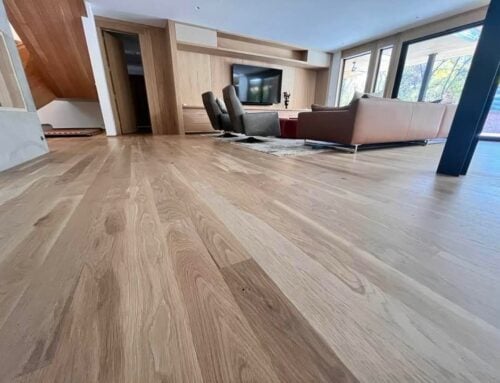
“Sand and finish” describes the process of stripping away a hardwood floor’s worn top layer and applying a fresh finish. This restores the wood’s natural look without replacing the boards themselves.
Homeowners often hear this term used for new sand and finish service installations, since freshly installed solid wood needs sanding and finishing on-site before it’s ready to walk on. But the same process also applies to older floors that have lost their shine.
Is Sand and Finish the Same as Refinishing?
Yes. In most cases, sand and finish and refinishing describe the same underlying work. Both involve sanding down the existing surface and applying new stain and finish coats.
The difference is mostly in context. Contractors often say “sand and finish” when discussing new floors or standard maintenance, while “refinishing” tends to come up when a floor shows heavier wear, like scratches, dullness, or water stains. The actual steps involved rarely change – what changes is how much prep work the floor needs going in.
Step-by-Step: What Happens During the Service
Every project varies slightly, but a typical sand and finish service follows these steps:
- Inspection. We assess the floor’s condition, checking for deep gouges, warping, or areas that may need board repair before sanding begins.
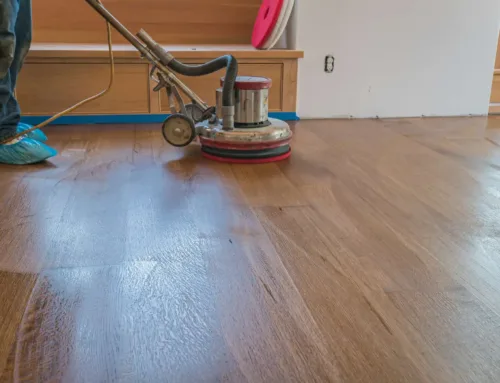
- Sanding. Using drum and edge sanders, we remove the old finish and smooth the wood surface, working through progressively finer grits.
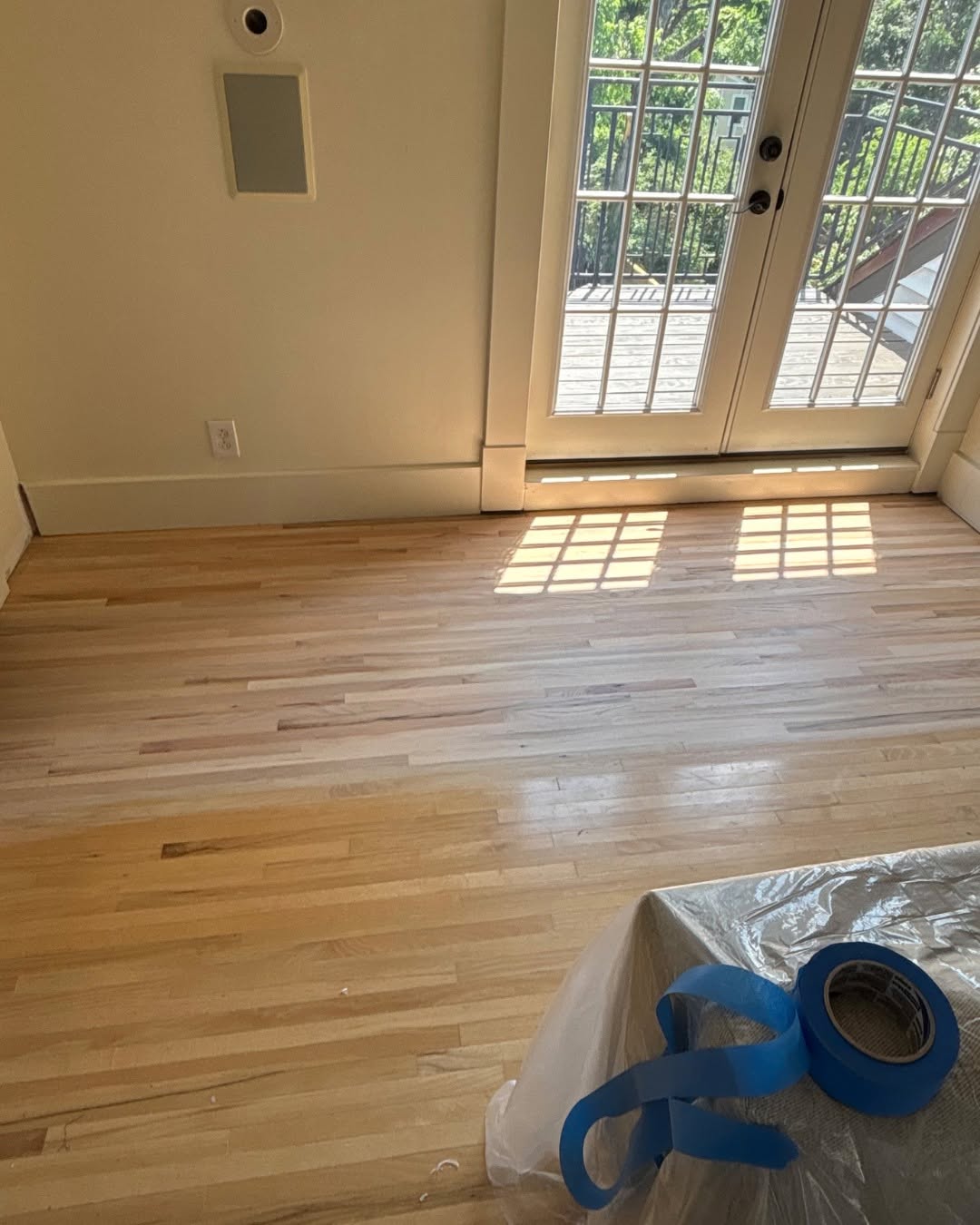
- Repairs. Any damaged or loose boards get addressed at this stage, before staining begins.
- Staining (optional). If you want to change or refresh the wood’s color, we apply stain evenly across the floor.
- Finish coats. We apply two to three coats of protective finish, allowing proper drying time between each layer.
This is the same general sand and finish process whether the floor is brand new or decades old – the main variable is how much sanding and repair work the existing surface requires.
What Can Add to the Scope of the Project?
Several factors can extend a standard sand and finish job:
- Deep scratches or water stains that require extra sanding passes
- Loose, squeaky, or damaged boards needing repair or replacement
- A significant color change, which may require extra staining steps
- Uneven or cupped boards that need leveling before finishing
If your floor needs this kind of extra attention, our guide on signs your floors need sanding and refinishing walks through what to watch for before scheduling service. Catching these issues early usually keeps the project simpler and more predictable in terms of both cost and timeline.
How Long Does It Take?
A standard-sized room typically takes one to two days for sanding and finishing, plus additional drying time between coats. Larger homes or floors needing repairs will take longer. We always walk clients through a project-specific timeline before work begins, since every floor’s condition is different.
How Much Does It Cost?
Pricing depends on square footage, the finish selected, and how much repair work is needed. For a full cost breakdown based on Nashville pricing, see our guide on hardwood floor refinishing cost.
How Many Times Can a Floor Be Sanded and Finished?
Solid hardwood floors can typically go through this process multiple times over their lifespan, since each round removes only a thin layer of wood. For more detail on how many times your specific floor can be refinished, check out our guide on how many times floors can be refinished.
Frequently Asked Questions
1. Is sand and finish the same as refinishing?
Yes, they describe the same core process: sanding away the old finish and applying new stain and protective coats. The terms are often used interchangeably depending on the contractor or the floor’s condition.
2. How do I know if my floor needs this service?
Signs include a dull or worn finish, visible scratches, or graying wood in high-traffic areas. If you’re seeing these signs, it’s worth scheduling an inspection.
3. How much does sand and finish cost for a Nashville home?
Cost depends on square footage, the finish selected, and how much repair work is needed. Most Nashville homeowners can expect pricing in line with standard hardwood refinishing rates, with an in-home estimate giving the most accurate number.
4. How often should hardwood floors be sanded and finished?
Most hardwood floors need this type of restoration every several years, depending on foot traffic and how well the floor is maintained in between. High-traffic homes may need it more often than quieter spaces.
5. Can sand and finish fix deep scratches or water damage?
In many cases, yes. Sanding can remove surface-level scratches and some water staining, though deeper damage may require board repair or replacement before the finish is applied.
Sand and finish hardwood floors is a straightforward process that restores your floor’s surface, whether it’s brand new or years old. Understanding what’s included helps you know what to expect and ask the right questions before your project begins.
If you’re ready to find out what your floor needs, schedule a free consultation with our team, and we’ll walk you through the right plan for your home.