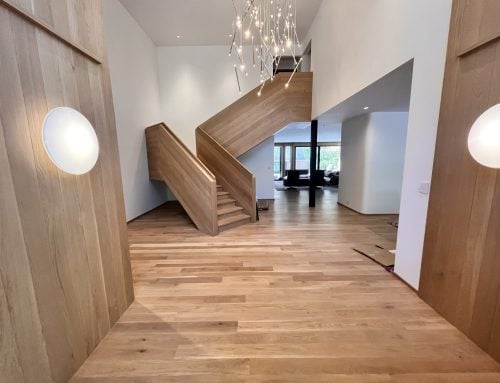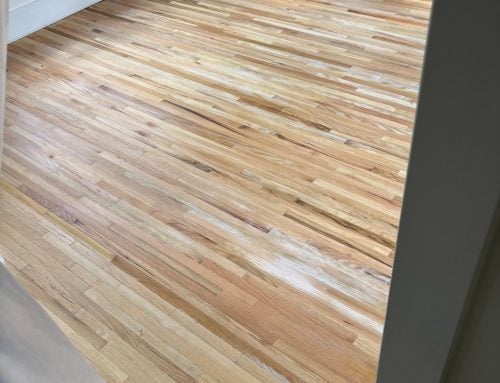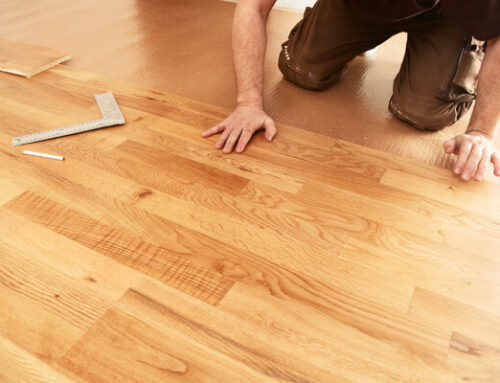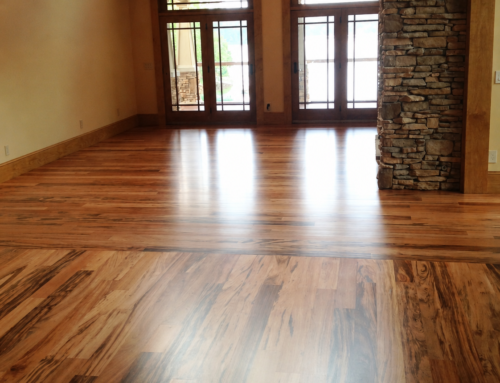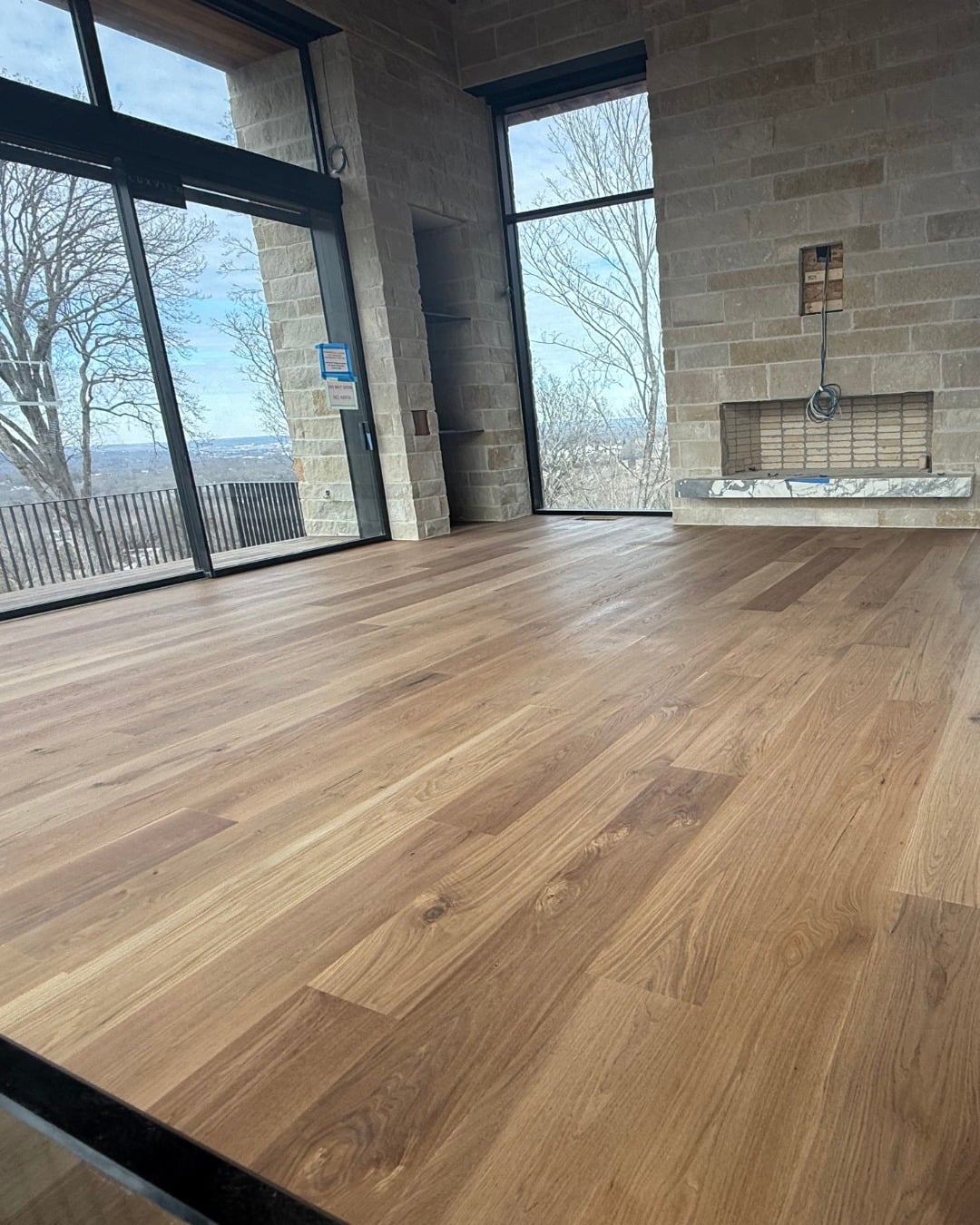
Your hardwood floors likely need refinishing if you notice deep scratches, a dull or cloudy finish, grey or black stains, water damage, warping, or wood that feels rough underfoot. Most hardwood floors need refinishing every 7 – 10 years, depending on foot traffic and how well they’ve been maintained.
Hardwood floors are one of the best investments you can make in a home. They look great, hold up well over time, and can add real value to your property. But like anything else, they need attention after years of use.
If your floors are starting to look worn, scratched, or just plain tired, it might be time to take action. The good news is that in most cases, sanding and refinishing can bring them back to life – no replacement needed.
At C&S Flooring, we work with homeowners across Nashville, Brentwood, and Franklin every day. We know exactly what worn-out floors look like – and we know how to fix them.
Here are the 7 signs that tell you it’s time for hardwood floor sanding and refinishing.
The 7 Signs Your Hardwood Floors Need Refinishing
1. Deep Scratches That Won’t Buff Out
Surface-level scratches are normal. They happen from everyday foot traffic, furniture, or pets. But when you start seeing deep scratches that go past the finish and into the wood itself, that’s a different story.
- Deep scratches expose bare wood, leaving it open to moisture and staining.
- No amount of polishing will fix them – the floor needs to be sanded down and recoated.
- Pet claws are one of the most common causes we see across homes in the area.
2. The Finish Looks Dull, Cloudy, or Faded
When hardwood floors lose their sheen, it’s usually because the protective finish has worn away. This is one of the most common signs hardwood floors need refinishing.
- Dullness means the finish layer is gone or nearly gone.
- Without a finish, the wood is unprotected and starts absorbing dirt and moisture.
- No cleaning product will restore a floor that’s lost its finish – it needs to be refinished.
3. Grey or Black Staining in the Wood
Grey or black stains in hardwood are a sign that water has gotten past the finish and into the wood fiber. This often happens near entryways, kitchens, or bathrooms.
- Grey wood means the surface has oxidized from prolonged moisture exposure.
- Black staining can point to mold or mildew growing inside the wood.
- These areas need sanding to remove the damaged layer before a new finish is applied.
4. Water Stains or Cupping
Water is the number one enemy of hardwood floors. Spills, humidity, and leaks can cause the wood to swell, cup (where the edges rise higher than the center), or warp.
- Mild cupping can often be corrected with sanding once the moisture issue is resolved.
- Dark water stains that have soaked into the wood require sanding to remove.
- Tennessee’s humid summers make moisture damage especially common in homes throughout the region.
5. Visible Splinters or Rough Patches
When the finish wears thin, the bare wood underneath can start to splinter. This is not just an aesthetic issue – it’s a safety concern, especially for families with young kids.
- Splinters happen when the wood’s surface layer breaks down from wear.
- Rough patches underfoot are a sure sign the protective coating is gone.
- Sanding removes the damaged surface and gives the floor a smooth, clean base for a new finish.
6. The Finish Is Peeling or Flaking
Peeling or flaking finish usually means the original coating was applied incorrectly, or it has simply broken down over time. You might see small chips or thin strips of finish lifting from the surface.
- Peeling finish leaves the wood completely exposed.
- It’s one of the clearest signs that the floor needs a full sand and recoat.
- This is common in older homes across Franklin and Brentwood where floors haven’t been refinished in decades.
7. The Floors Just Look Old and Worn
Sometimes the sign isn’t one specific problem – it’s the overall look. If your floors look dull, scratched, discolored, and just worn out, it’s time to consider hardwood floor sand and finish professionals in Nashville who can restore them.
A homeowner in Brentwood recently came to us with floors that had not been touched in over 15 years. Between two dogs, three kids, and Tennessee summers, the floors had taken a serious beating. After a full sand and refinish, they looked like brand new – at a fraction of the cost of replacement.
If you’re not sure what your floors need, a hardwood floor sand and finish assessment from our Nashville team can give you a clear answer.
Refinishing vs. Replacement: Cost Comparison (500 sq ft)
One of the most common questions we hear is: “Is it cheaper to refinish or replace my floors?” Here’s a straightforward breakdown.
| Option | Cost per sq ft | Est. Total (500 sq ft |
| Sand & Finish (Refinishing) | $3.00 – $5.00 | $1,500 – $2,500 |
| New Hardwood Installation | $7.50 – $12.50 | $3,750 – $6,250 |
| Luxury Vinyl Plank (LVP) | $6.25 – $10.00 | $3,125 – $5,000 |
As you can see, refinishing is almost always the most cost-effective path – as long as your floors have enough wood thickness left to sand. Most solid hardwood floors can be sanded and refinished multiple times over their lifetime.
Want to know exactly what your project might cost? Check out our guide on hardwood floor refinishing costs in Nashville for a detailed breakdown.
Key Takeaways
- Deep scratches, dull finish, grey wood, water stains, splinters, peeling finish, and overall worn appearance are all signs your floors need attention.
- Refinishing is significantly cheaper than replacing your floors with new hardwood or LVP.
- Tennessee’s climate – humid summers and variable winters – accelerates floor wear, especially near doors and kitchens.
- Most hardwood floors can be refinished multiple times before replacement is ever needed.
- When refinishing is no longer an option, hardwood floor installation or LVP are the best alternatives.
Frequently Asked Questions
How do I know if my hardwood floors need refinishing or full replacement?
If the damage is surface-level – scratches, dull finish, fading, minor water stains – refinishing is usually enough. Replacement is needed when boards are severely warped, rotted, cracked through, or when there’s not enough wood thickness left to sand. Our team can help you figure out which is right for you.
How often should hardwood floors be refinished?
Most hardwood floors need refinishing every 7-10 years under normal use. High-traffic homes with pets and kids may need it sooner. Knowing when to refinish means paying attention to wear in high-traffic areas like hallways and living rooms.
Can all hardwood floors be refinished?
Most solid hardwood floors can be sanded and refinished multiple times. Engineered hardwood can sometimes be refinished depending on the thickness of the top layer. We assess each floor before recommending a plan.
Is hardwood floor refinishing in Brentwood and Franklin, TN available?
Yes. We provide wood floor sanding and refinishing services across Brentwood, Franklin, and surrounding areas. Whether it’s a small living room or a full home, we handle projects of all sizes.
What happens if I wait too long to refinish my floors?
If you let floors go too long without refinishing, the damage can go deeper into the wood. At that point, refinishing may no longer be an option and you’d need full replacement. Catching the signs early always saves money in the long run.
Ready to Restore Your Hardwood Floors?
Worn floors don’t have to stay that way. In most cases, sanding and refinishing is all it takes to bring them back to life – and the results speak for themselves.
Whether your floors have deep scratches, water stains, a faded finish, or all of the above, C&S Flooring has the experience and skill to get them looking their best. We serve homeowners across Nashville, Brentwood, and Franklin TN, and we take pride in doing every job right.
If you’re not sure whether your floors need refinishing or a full replacement, we’ll give you an honest answer. If replacement is the better call, we also offer hardwood floor installation Nashville and LVP options.
Get your free flooring estimate Nashville today and let’s talk about what your floors need.